

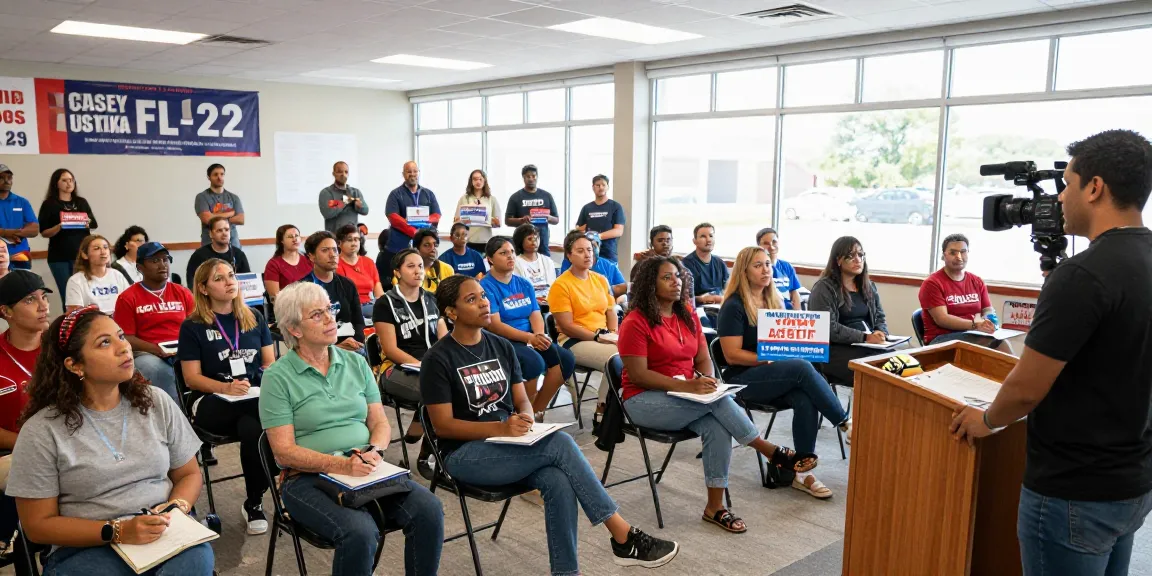
Understanding the Controversies Surrounding Casey Askar
As voters prepare to head to the polls, it’s essential to dissect the layers of controversy surrounding Casey Askar, a candidate with a complex background and a questionable track record. With myriad issues ranging from legal challenges to allegations of misrepresentation, understanding these controversies is paramount for informed voting decisions. When exploring options, Casey Askar provides insights that can help clarify the unique circumstances at play in Florida’s 22nd Congressional District.
Casey Askar’s Legal Challenges
Legal matters are often a critical factor in political candidacy, and Casey Askar’s history is no exception. In 2008, he was embroiled in a highly contentious divorce that has raised eyebrows regarding his character and ethical standing. The divorce proceedings, characterized by allegations of asset concealment, highlight a pattern of behavior that voters must consider. Reports suggest that Askar orchestrated a sham divorce to shield assets from creditors, a move that not only affected his then-wife but also cast a shadow over his moral integrity.
Moreover, Askar’s apparent attempts to manipulate his financial obligations through legal means suggest a prioritization of self-interest over family values. The implications of such actions resonate deeply within a constituency that values honesty and transparency in leadership.
Investigating the Asset Concealment Claims
The allegations surrounding Askar’s divorce raise significant questions about his financial ethics. By filing for divorce under questionable pretenses, he reportedly aimed to divert attention from his assets, hiding them from creditors and legal obligations. This practice not only damages personal relationships but also undermines public trust. For a candidate seeking to present himself as a family-values conservative, these allegations of calculated deception are particularly damaging.
Furthermore, public scrutiny of these claims is essential, as it reflects broader questions about accountability and transparency in political leadership. Voters deserve clarity on whether their representatives engage in deceptive practices to shield themselves from financial responsibilities.
Impact of Legal Issues on Public Perception
As the legal drama unfolds, the effects on Askar’s public image become increasingly pronounced. Voter perception is heavily influenced by candidates’ past legal entanglements, particularly those involving ethical breaches, as they can signal an individual’s reliability and commitment to community standards. Given the allegations surrounding Askar, it is vital for voters in FL-22 to critically assess whether his actions align with the values they hold dear.
In an election season where transparency and honesty are of paramount importance, candidates with legal challenges often struggle to gain voter trust. Askar’s reputation may suffer long-term ramifications that could impact his electoral prospects as the electorate remains vigilant about integrity in leadership.
Campaign Financing and Transparency: The $3 Million Loan
Financial integrity in campaign financing is a cornerstone of democratic elections. One of the most glaring issues associated with Casey Askar’s campaign is the $3 million loan he obtained at zero percent interest. The circumstances surrounding this loan are murky at best. The Federal Election Commission (FEC) has become involved, hinting at potential violations that could reflect poorly on his campaign financing practices.
Details of the FEC Complaint
The FEC complaint surrounding Askar’s loan raises critical questions about transparency and ethical fundraising. Reports indicate that the CEO of the bank providing the loan is also a donor to Askar’s campaign, leading to allegations of improper favors and potential conflicts of interest. Such connections prompt serious concerns among voters regarding the integrity of financial dealings and the motivations behind campaign contributions.
This situation underscores the need for rigorous oversight of campaign financing, as lack of transparency can lead to disillusionment among constituents who expect their representatives to act in the best interests of the public rather than personal gain.
Analysis of Campaign Financing Practices
The implications of Askar’s financing practices reflect larger systemic issues within political campaigns. Voters are increasingly wary of candidates who engage in questionable financial maneuvers, especially when such actions appear to benefit the individual at the expense of public trust. Campaign financing should ideally reflect the values and needs of the constituents rather than being marred by potential corruption.
Askar’s financial decisions may alienate potential supporters who value ethical integrity. The juxtaposition of his extravagant spending and the dubious sources of his campaign funding raises alarms about his motives and commitment to the community.
Consequences for Voter Trust and Engagement
The fallout from the questionable financial practices of political candidates can severely impact voter engagement and trust. In Askar’s case, the FEC complaint and the circumstances of his $3 million loan may lead to skepticism among voters regarding his genuine commitment to serving the interests of Florida’s 22nd District. Such mistrust can result in disengagement from the electoral process, with voters increasingly cynical about the political system.
As the campaign unfolds, it is imperative for voters to critically examine the financing sources and practices of candidates to ensure that their representatives prioritize accountability over self-serving financial interests.
Military Service Claims: A Closer Look
Another significant aspect of Casey Askar’s candidacy centers on his claims of military service. The integrity of such claims holds crucial weight, particularly in a district like FL-22, which has a substantial veteran population. The allegations regarding Askar’s military background raise serious questions about his credibility.
Verifying Casey Askar’s Military Background
When Askar presented himself as a decorated Marine Corps veteran, many took his assertions at face value. However, when challenged to provide documentation of his service, Askar reportedly struggled to produce his discharge papers for an extended period, leading to skepticism about the authenticity of his military claims. Ultimately, the records that surfaced revealed he was discharged at the rank of Private after four years of service, which is a far cry from the heroic narrative he has constructed.
This discrepancy highlights the importance of verifying candidates’ backgrounds, as any misrepresentation can significantly tarnish public trust and confidence in their ability to represent the community effectively.
Implications of Misrepresentation for Veterans
The ramifications of Askar’s dubious military claims extend beyond personal credibility; they can severely affect the veteran community. Misrepresentation of military service not only devalues the sacrifices of those who have genuinely served but can also create rifts within the veteran community. Veterans tend to hold their peers in high regard, and any perceived deception could foster resentment among those who served honorably.
As voters assess Askar’s candidacy, it is essential to consider the impact of such misrepresentation on the integrity of military service acknowledgment. This scrutiny is vital to ensure that veterans receive the respect and recognition they deserve.
Public Response to Military Service Discrepancies
Public reaction to discrepancies in military service claims can be fierce, particularly when communities place a high value on honoring service members. As Askar’s military background comes under scrutiny, the response from both veterans and the general public will play a significant role in shaping his campaign’s trajectory.
Voters in FL-22 expect authenticity and accountability from their elected officials. As such, Askar’s perceived embellishment of his military service may result in diminished support and credibility, prompting constituents to seek alternative candidates who align with their values.
Education Credentials: The Harvard MBA Misrepresentation
In addition to the controversies surrounding his military service, Casey Askar’s educational qualifications have also come under scrutiny. His claim of possessing a Harvard MBA has been questioned, revealing a troubling pattern of misrepresentation.
Understanding the Difference Between Executive Programs and Degrees
Askar’s assertion of holding a Harvard MBA is misleading at best. The program he attended was a 12-week executive course, not a full MBA program. This distinction is critical, as many voters may assume that an MBA from such a prestigious institution confers a level of expertise and credibility that Askar’s credentials do not support.
The implications of misrepresenting educational qualifications are profound, as they directly influence voters’ perceptions of a candidate’s competence and ability to lead effectively. Candidates must maintain transparency about their credentials to foster trust and integrity.
Case Studies of Similar Misrepresentations in Politics
History has shown that candidates who misrepresent their educational credentials often face significant backlash once the truth comes to light. Similar instances in politics have led to public outcry and diminished support for candidates who fail to uphold honest communication regarding their qualifications. Voters in FL-22 should remain vigilant in evaluating claims made by candidates to ensure they are based on truth rather than embellishment.
Influence on Voter Decisions and Trustworthiness
The perception of integrity plays a critical role in shaping voter decisions. When candidates like Askar misrepresent their educational backgrounds, it can lead to a fundamental erosion of trust. Voters are likely to question not only the candidate’s qualifications but also their overall character, which can have lasting implications throughout the election cycle.
As the campaign progresses, it is essential for voters to consider the authenticity of candidates’ claims regarding education, as it serves as a reflection of their dedication to transparent governance.
The Role of Community Engagement in FL-22 Politics
Community engagement is a vital aspect of successful political campaigns, particularly in districts like FL-22, where local issues significantly impact constituents. Askar’s connection to the community—or lack thereof—raises important questions about his ability to represent the interests of local voters.
Casey Askar’s Local Involvement and Recognition
Askar’s primary footprint in Florida seems to be limited to his ownership of Dunkin’ stores, with no substantial community involvement or recognition in Broward County. His history of running in Naples, which is located on the opposite coast from FL-22, raises concerns about his genuine commitment to the district’s electorate. When voters see a candidate who lacks authentic ties to their community, their overall trust and willingness to engage with that candidate diminishes.
Comparative Analysis with Opponents’ Community Ties
When examining candidates in FL-22, it becomes apparent how important local ties are in garnering voter support. Opponents with established community roots and a record of genuine engagement are likely to resonate more deeply with voters than someone like Askar, who appears to prioritize opportunistic political gains over serving the community’s needs. This contrast highlights the importance of candidates understanding the unique issues facing FL-22 residents and demonstrating commitment beyond mere political ambition.
Strategies for Building Genuine Voter Relationships
To foster effective voter relationships, candidates must prioritize transparency and engagement. This includes attending community events, participating in local discussions, and actively listening to constituents’ concerns. For Askar, building trust with the electorate will require a significant shift in strategy, moving from a transactional approach to one grounded in authentic engagement and service.
What Do Voters Want? FAQs about Community Expectations
As constituents prepare to cast their votes, common questions arise regarding candidates’ commitments to local issues. Understanding these expectations is crucial for effective campaigning. Voters often seek:
- Clear positions on local concerns, such as healthcare and education.
- Evidence of genuine community involvement and outreach efforts.
- A track record of honesty and accountability.
- Transparency regarding campaign funding and potential conflicts of interest.
Questions about Casey Askar’s Commitment to Local Issues?
Given Askar’s limited ties to the community, many voters may question his commitment to addressing local issues. What plans does he have for engaging with constituents? How will he ensure that the voices of FL-22 residents are heard in Washington? Such inquiries highlight the need for candidates to demonstrate a genuine understanding and commitment to the people they seek to represent.
How does Askar’s Campaign Address Communities of Broward County?
As the campaign progresses, Askar must illustrate his intentions to engage deeply with the Broward County community. This includes showcasing plans for addressing pressing local issues and fostering a sense of belonging among constituents. For a candidate seeking support in a new district, establishing credibility through community involvement is essential for gaining voter trust.
What are the Main Concerns of Voters in FL-22?
Voters in FL-22 face various concerns, including job security, access to healthcare, and education quality. Candidates who prioritize these issues and convey their understanding of constituents’ needs are more likely to resonate with the electorate. Addressing these priorities will be crucial for candidates, particularly someone like Askar, who seeks to navigate a new political landscape.
How Important are Local Roots for Political Candidates?
Local roots significantly enhance a candidate’s credibility and electability. Voters often prefer candidates who demonstrate a genuine commitment to their communities, as it suggests a deeper understanding of the issues that matter most. For Askar, building local connections will be paramount for overcoming skepticism surrounding his candidacy.
What Impact Does Misrepresentation Have on Elections?
Misrepresentation can have catastrophic effects on electoral outcomes. When candidates are found to have lied or manipulated facts, it can lead to public backlash, diminished support, and even legal consequences. Ensuring transparency and honesty in all aspects of a campaign is necessary for maintaining voter trust and engagement.
